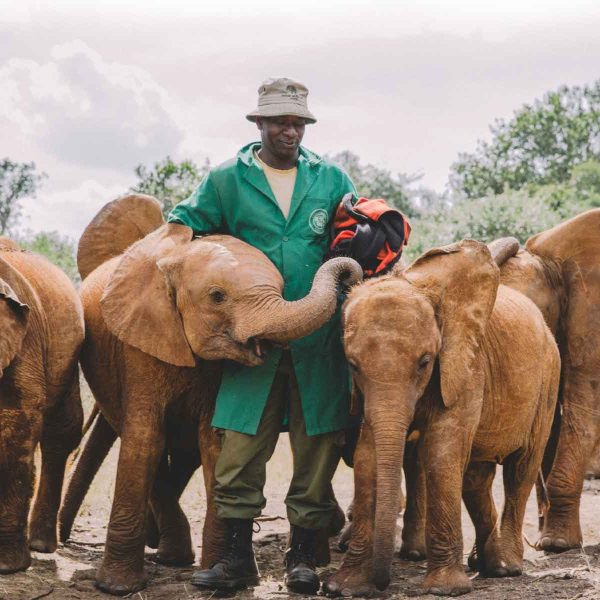
Retirement is often described as a time to slow down. But for many travelers over 60, it is also the time to finally do the things that were postponed for decades: see the wildlife documentaries come to life, stand beneath the vast African sky, watch elephants gather around a waterhole, meet communities whose traditions have endured for generations, or simply wake up to the sounds of the bush.
An East African safari offers all of this—and it does not have to mean sacrificing comfort. From the sweeping savannahs of Kenya and Tanzania to the misty forests of Rwanda and Uganda, East Africa combines extraordinary wildlife with excellent hospitality, comfortable accommodation, private safari vehicles, scenic flights, cultural experiences, and plenty of opportunities to travel at your own pace.
A safari at 60, 70, or beyond is not about proving how adventurous you are. It is about experiencing Africa in a way that suits your interests, energy levels, comfort, and travel style. Whether you dream of witnessing the Great Migration, seeing mountain gorillas, photographing elephants beneath Mount Kilimanjaro, exploring the Ngorongoro Crater, or ending your safari on the beaches of Zanzibar, East Africa can be designed around you. In this guide, we explore why East Africa is such an exceptional destination for mature travelers, how to make a safari comfortable and accessible, which destinations are particularly suitable, what activities require more physical effort, and how to plan a memorable journey without feeling rushed.
Why East Africa Is Perfect for Travelers Over 60
One of the biggest misconceptions about African safaris is that they are physically demanding adventures designed primarily for younger travelers. The reality is very different.
A traditional safari day can involve spending several hours comfortably seated in a specially designed 4×4 vehicle, stopping regularly to observe wildlife, enjoy scenery, take photographs, and stretch your legs. Many lodges are designed around relaxation, with spacious rooms, private verandas, excellent dining, swimming pools, spas, and beautiful communal areas.
More importantly, safaris are highly customizable. You do not have to follow the same schedule as a group of energetic travelers. A private safari can be arranged around your preferred wake-up time, driving distance, meal preferences, mobility requirements, and interests.
Adventure Without the Pressure
An East African safari provides a wonderful balance between adventure and relaxation. You might spend the morning watching a pride of lions hunt, return to your lodge for lunch and an afternoon nap, and then head out again later for a sunset game drive. Another day could involve a leisurely boat cruise rather than a long game drive. You might visit a Maasai community, enjoy a scenic picnic, take photographs from your vehicle, or simply sit on your lodge veranda watching wildlife. The adventure is still there. You simply experience it at your own pace.
Experience Matters More Than Age
Travelers over 60 often bring something younger travelers may not have: time, patience, curiosity, and a deeper appreciation for the experience. A safari isn’t simply about ticking animals off a checklist. It is about watching an elephant herd interact at a waterhole, listening to birds calling across the savannah, learning how local communities live alongside wildlife, and sitting quietly while the African sunset transforms the landscape. That slower appreciation can make a safari even more meaningful.
- Comfort and Accessibility: Safari Does Not Have to Mean Roughing It
Modern East African safaris range from simple tented camps to some of the world’s most luxurious lodges. For mature travelers, choosing the right accommodation can make an enormous difference to the overall experience.
Comfortable Safari Accommodation
Many safari lodges and camps offer:
- Spacious rooms and suites
- Comfortable beds and quality mattresses
- En-suite bathrooms
- Walk-in or accessible showers at selected properties
- Private verandas or balconies
- Swimming pools
- Wellness and spa facilities
- On-site restaurants
- Lounge areas for relaxing between activities
- Laundry services
- Staff assistance when required
However, it is important not to assume that every safari property has the same level of accessibility. If you have mobility concerns, always communicate your requirements before booking. Your tour operator can confirm details such as the distance between rooms and dining areas, stairs, bathroom layouts, vehicle access, and walking distances.
Choosing the Right Room
For travelers who prefer to minimize walking, ask for rooms that are:
- Close to the main lodge
- On ground level where possible
- Accessible without steep paths
- Close to dining facilities
- Equipped with suitable bathroom facilities
These small details can make a major difference.
- Private Safaris: The Best Option for a Relaxed Pace
For travelers over 60, a private safari can be considerably more comfortable than joining a large group. With a private safari, your day does not have to revolve around someone else’s schedule.
- You can stop when you want.
- You can rest when you want.
- You can spend longer watching an animal that fascinates you.
- And if you are tired after breakfast, you can simply enjoy a slower morning.
Benefits of a Private Safari
A private safari allows you to enjoy:
- Flexible game-drive schedules
- Personalized sightseeing
- Frequent rest stops
- A private vehicle
- More luggage space
- Assistance getting in and out of the vehicle
- Longer or shorter wildlife-viewing sessions
- Personalized meals where possible
- An itinerary adapted to your physical comfort
An experienced safari guide also becomes an important part of the experience. A good guide understands when guests want to continue exploring and when it is time to slow down.
- Reduce Long Road Journeys With Fly-In Safaris
One of the biggest concerns older travelers may have is spending several hours on rough safari roads. Fortunately, you do not necessarily need to drive everywhere. East Africa has an extensive network of domestic and safari flights connecting major cities with national parks and reserves. For example, travelers can often fly from Nairobi to the Maasai Mara rather than spending several hours on the road. In Tanzania, scheduled and charter flights connect Arusha and other hubs with safari areas such as the Serengeti. Flying between destinations can transform the pace of a safari. Instead of spending most of the day driving, you can arrive at your next destination with enough energy to enjoy an afternoon game drive or relax at your lodge.
A Good Strategy: Combine Driving and Flying
You don’t necessarily need to choose between a completely road-based safari and a completely fly-in safari. A well-designed itinerary might use a private 4×4 for shorter scenic journeys while incorporating flights for longer transfers. This creates a more comfortable balance between seeing the countryside and avoiding unnecessary long drives.
- Wildlife Experiences That Don’t Require Strenuous Hiking
One of the greatest advantages of an African safari is that some of the continent’s most spectacular wildlife experiences require surprisingly little physical exertion. Much of the wildlife viewing happens from the comfort of a safari vehicle.
The Great Migration
The Great Migration is one of Africa’s most extraordinary natural spectacles. Every year, enormous numbers of wildebeest, zebras and other grazing animals move through the Serengeti ecosystem and into Kenya’s Maasai Mara. While timing varies from year to year, the migration is generally associated with different parts of the Serengeti and Maasai Mara at different times. For mature travelers, one of the easiest ways to experience the spectacle is from a private safari vehicle. You do not need to hike across the plains.
Instead, your guide drives to wildlife-viewing areas, positions the vehicle safely, and gives you time to observe and photograph the animals.
Elephants in Amboseli
For many first-time safari travelers, seeing elephants is an emotional highlight. Amboseli National Park in Kenya is particularly famous for its large elephant herds and spectacular views toward Mount Kilimanjaro. The park’s relatively open landscapes make wildlife viewing rewarding, while the dramatic mountain backdrop creates exceptional photographic opportunities. You can spend hours simply watching elephant families move across the plains without leaving your vehicle.
The Big Five
Kenya and Tanzania are among the world’s premier destinations for seeing the Big Five:
- Lion
- Leopard
- Elephant
- Buffalo
- Rhinoceros
The experience is not guaranteed—wild animals are unpredictable—but destinations such as the Maasai Mara, Serengeti, Ngorongoro, and Ol Pejeta offer outstanding opportunities.
- Gentle Alternatives to Traditional Game Drives
Safari doesn’t have to consist entirely of driving. East Africa offers a variety of slower-paced experiences that can be incorporated into an itinerary.
Boat Safaris
Boat excursions provide a completely different perspective of wildlife. Depending on the destination, you may encounter hippos, crocodiles, elephants, waterbirds, and other wildlife along rivers and lakes. Lake Naivasha in Kenya, for example, is an excellent option for a relaxed boat excursion where visitors can enjoy birdlife and views of hippos from the water. Uganda’s Kazinga Channel is another famous destination for boat-based wildlife viewing.
Hot-Air Balloon Safaris
A hot-air balloon safari is one of the most memorable ways to experience the African landscape. Instead of navigating through the bush by road, you rise quietly above the savannah as the sun comes up. From above, you can see the scale of the landscape, winding rivers, wildlife trails, and herds moving across the plains. A balloon safari does involve an early start and some walking, so travelers should discuss mobility requirements with their tour operator before booking.
Scenic Cultural Experiences
Sometimes the most memorable day is not the one with the most activities. A leisurely visit to a local community, a traditional cooking experience, a coffee or tea farm visit, or a sunset overlooking the savannah can be just as rewarding as another game drive.
- Cultural Experiences for the Curious Traveler
East Africa is much more than wildlife. The region is home to diverse communities with rich histories, traditions, languages, music, food, crafts, and ways of life. For mature travelers, cultural experiences can add depth to a safari.
Meet the Maasai
In Kenya and Tanzania, travelers can visit Maasai communities to learn about traditional lifestyles, livestock, ceremonies, crafts, and the relationship between communities and the surrounding environment.
A cultural visit may include:
- Traditional songs and dances
- Storytelling
- Learning about traditional homes
- Local crafts
- Discussions with community members
- Traditional food experiences
These encounters are most meaningful when they are respectful and community-led rather than treated simply as tourist performances.
Discover the Swahili Coast
After a safari, Zanzibar offers an excellent opportunity to slow down. Stone Town introduces visitors to centuries of Swahili, Arab, Indian, African, and European influences. You can explore historic streets, visit spice farms, enjoy a sunset dhow cruise, or simply relax on the beach. For travelers who have spent several days on safari, a few nights on the coast can provide the perfect conclusion.
- Gorilla Trekking: Is It Suitable for Travelers Over 60?
Gorilla trekking in Rwanda or Uganda is an extraordinary experience, but it deserves special consideration. Unlike a traditional game drive, gorilla trekking requires walking through forest terrain, sometimes for several hours. The difficulty varies depending on where the gorilla family is located on a particular day.
Travelers who are considering gorilla trekking should honestly assess their mobility and discuss their abilities with their tour operator before booking.
Porters Can Help
Porters can provide valuable assistance during the trek. They can carry daypacks, help with difficult sections, and provide physical support where appropriate. However, a porter does not eliminate the physical demands of trekking. If walking through uneven forest terrain is not suitable, East Africa offers plenty of other spectacular wildlife experiences that can be enjoyed with significantly less physical effort.
- Health and Safety: Planning Ahead Makes All the Difference
Traveling after 60 does not mean you cannot enjoy an adventurous destination. It simply means preparation becomes more important. Before traveling, consider speaking with your doctor or a qualified travel-health professional about your planned destinations.
Depending on your itinerary, they may advise you about:
- Vaccinations
- Malaria prevention
- Prescription medications
- Existing medical conditions
- Food and water precautions
- Heat and sun exposure
- Travel insurance
Requirements can vary depending on your country of residence, previous travel history, and destinations visited, so travelers should obtain current advice before departure.
Travel Insurance
Comprehensive travel insurance is particularly important for an international safari. Consider policies that include:
- Medical treatment
- Emergency evacuation
- Trip cancellation
- Trip interruption
- Lost or delayed luggage
- Coverage for pre-existing medical conditions where applicable
For safari travelers, emergency medical evacuation coverage can be particularly valuable because some camps and parks are located far from major hospitals.
- Medication and Daily Routine
Travelers who take regular medication should carry enough for the entire trip, preferably with additional supply in case of delays. Keep essential medication in your hand luggage rather than checked baggage.
It is also useful to carry:
- A copy of prescriptions
- A list of medications
- Emergency contact information
- Important medical information
- Basic personal first-aid supplies
Your safari operator should also be informed of any important dietary or mobility requirements before arrival.
- The Best East African Safari Destinations for Travelers Over 60
Different destinations offer different experiences. The right choice depends on what you want to see and how you prefer to travel.
Maasai Mara, Kenya
Best for: Big Five, Great Migration, classic safari. The Maasai Mara is one of Africa’s most famous safari destinations. Its open grasslands provide excellent opportunities for wildlife viewing, and the reserve can be particularly rewarding for travelers who want a classic African safari experience. For a more comfortable journey, consider flying from Nairobi directly to the Mara rather than taking a long road transfer.
Amboseli National Park, Kenya
Best for: Elephants, scenery, photography
Amboseli is famous for its elephant populations and spectacular views of Mount Kilimanjaro. The relatively open landscape makes wildlife easy to spot, while the dramatic scenery provides plenty of opportunities for photography.
Ol Pejeta Conservancy, Kenya
Best for: Rhino conservation, Big Five, conservation experiences
Ol Pejeta combines wildlife viewing with conservation. Visitors may encounter rhinos, elephants, lions, buffaloes, and other wildlife while also learning about conservation initiatives. It can be an excellent addition to a Kenyan safari itinerary.
Serengeti National Park, Tanzania
Best for: Vast landscapes, predators, migration
The Serengeti is one of Africa’s iconic wilderness areas. Its enormous plains support large populations of predators and herbivores and form a major part of the Great Migration ecosystem. Fly-in options can help reduce long overland journeys.
Ngorongoro Conservation Area, Tanzania
Best for: Wildlife density and dramatic scenery
The Ngorongoro Crater is one of Tanzania’s most spectacular landscapes. The concentration of wildlife within the crater makes it possible to see a remarkable variety of animals without covering enormous distances.
Rwanda’s Volcanoes National Park
Best for: Gorilla trekking and primate experiences
Volcanoes National Park is famous for mountain gorilla trekking. It is best suited to travelers who are comfortable with forest walking, although the broader Rwanda experience can include many other cultural and scenic activities.
Zanzibar
Best for: Relaxation, beaches, culture
Zanzibar is an ideal post-safari extension. After several days of wildlife viewing, travelers can slow down with beach time, cultural excursions, historic tours, spice experiences, and ocean activities.
- How to Design a Comfortable Safari Itinerary
A good safari itinerary is not simply a list of destinations. It is about how those destinations fit together. For travelers over 60, avoid trying to visit too many parks in a short period. Instead of spending one night in five different locations, consider staying two or three nights in fewer destinations. This gives you time to settle into each property, enjoy the surroundings, and avoid constantly packing and unpacking.
Allow Time to Rest
A safari does not need to be busy from sunrise to sunset every day.
Consider building in:
- Leisure mornings
- Afternoon breaks
- Longer stays
- Scenic lunches
- Spa or pool time
- Relaxed cultural experiences
- Beach extensions
The goal is not to see everything.
The goal is to enjoy what you see.
- What Should You Pack for an East African Safari?
Packing for a safari is relatively simple, but comfort should be a priority.
Consider bringing:
- Comfortable walking shoes
- Lightweight trousers
- Breathable shirts
- A warm fleece or jacket
- Sun hat
- Sunglasses
- Sunscreen
- Insect repellent
- Binoculars
- Camera
- Personal medications
- Small daypack
- Reusable water bottle
- Comfortable layers for cool mornings and evenings
Neutral-colored clothing is often recommended for safari activities, although there is no need to completely replace your wardrobe with khaki. Most importantly, pack clothing that you are comfortable wearing for several hours in a safari vehicle.
- Choosing the Right Safari Operator
One of the most important decisions is choosing the right tour operator. A good safari company should do more than simply arrange accommodation and transport. They should listen to your needs and build the itinerary around you.
Before booking, ask:
- Is the safari private or shared?
- What type of vehicle will be used?
- How long will the road transfers take?
- Are flights available between destinations?
- How much walking is required?
- How far are rooms from the main lodge?
- Are there stairs?
- Can dietary requirements be accommodated?
- What happens if I need medical assistance?
- Can the itinerary be adjusted during the trip?
- Is airport assistance available?
If a company cannot answer these questions clearly, consider looking elsewhere. A specialist safari operator can also help coordinate accessible accommodation, private transfers, flights, airport assistance, and activities according to your comfort level.
- A Sample Senior-Friendly Kenya Safari
A comfortable Kenya safari could look something like this:
Days 1–2: Nairobi
Arrive in Nairobi and enjoy a relaxed first day. Depending on your interests, you could visit the Giraffe Centre, Karen Blixen Museum, or simply rest at your hotel after your international flight.
Days 3–5: Maasai Mara
Fly from Nairobi to the Maasai Mara to avoid a long road transfer. Spend three nights enjoying morning and afternoon game drives at a comfortable pace.
Days 6–7: Lake Naivasha
Continue to the Great Rift Valley and enjoy a slower experience around Lake Naivasha. A boat excursion provides an opportunity to see hippos and birdlife without strenuous walking.
Days 8–10: Amboseli
Travel onward to Amboseli for elephant encounters and spectacular views of Mount Kilimanjaro. Enjoy relaxed game drives and plenty of time at the lodge.
Days 11–14: Zanzibar
Finish your safari with several days on the beach. Explore Stone Town, enjoy a spice experience, take a sunset dhow cruise, or simply relax beside the Indian Ocean. This type of itinerary combines wildlife, scenery, culture, relaxation and comfort without trying to fit too much into every day.
- Common Concerns About Safari After 60
“Will I be too old for a safari?”
Age alone should not determine whether you can enjoy a safari. The more important questions are your mobility, health, interests, and preferred level of activity.
“Are safari vehicles uncomfortable?”
Safari vehicles vary considerably. Private 4×4 vehicles with comfortable seating can provide an enjoyable experience, particularly when the itinerary includes regular breaks.
“Do I have to wake up extremely early every morning?”
No.
Early morning game drives are popular because wildlife is often active at that time, but private safaris allow you to adjust the schedule.
“What if I get tired?”
That’s exactly why a personalized itinerary is valuable. You can return to the lodge, rest, have lunch, and decide later whether you want to continue with an afternoon activity.
“Do I have to walk a lot?”
Not necessarily. Traditional game drives require very little walking. However, activities such as walking safaris, gorilla trekking, hiking, and some cultural excursions can involve more physical activity. Your itinerary should clearly distinguish between the two.
- The Real Luxury Is Traveling at Your Own Pace
Luxury on safari isn’t always about the most expensive lodge or the biggest suite. For many mature travelers, true luxury is having time. Time to watch elephants for another twenty minutes. Time to enjoy breakfast without rushing. Time to sit on a veranda and watch the sunset. Time to return to your room for an afternoon nap. Time to ask your guide another question. Time to spend three nights in one beautiful place instead of changing hotels every day. This is why private, carefully designed safaris can be so rewarding for older travelers.
- Why Your 60s Could Be the Perfect Time to Go
There is a particular freedom that comes with traveling later in life. You may have fewer work commitments. Your children may be grown. You may finally have the financial flexibility to choose the accommodation you want and the time to enjoy a destination properly. And Africa rewards travelers who take their time. You don’t need to race across the savannah. You don’t need to climb a mountain. You don’t need to prove anything. You simply need to be there. Watch the sun rise over the Mara. Listen to elephants communicating across the plains. See a giraffe walk silently through the golden grass. Meet people whose cultures have shaped the region for generations. Enjoy a cup of coffee while looking across the crater. And, when the day is over, return to a comfortable lodge, enjoy a good meal, and fall asleep to the sounds of the African wilderness.
Final Thoughts: Africa Is Waiting
An East African safari after 60 is not a compromise. It is an opportunity to experience Africa with greater appreciation, more flexibility, and the freedom to choose exactly how you want to travel. Kenya, Tanzania, Rwanda and Uganda offer extraordinary wildlife, landscapes, cultures and hospitality, while modern safari planning makes it possible to adapt the experience to different mobility levels, comfort preferences and interests.
The secret is not to ask, “Am I too old for a safari?”
Instead, ask:
“What kind of safari is right for me?”
Perhaps yours involves watching elephants beneath Mount Kilimanjaro from a private 4×4. Perhaps it is floating above the Maasai Mara in a hot-air balloon. Perhaps it is watching gorillas in Rwanda, exploring the Ngorongoro Crater, meeting a Maasai community, or ending an unforgettable wildlife adventure with your feet in the warm waters of Zanzibar. Whatever your dream looks like, East Africa can help turn it into a journey worth remembering.
Your age doesn’t have to define your adventure. Let your curiosity do that.
Ready to plan your trip? Browse our Kenya and Tanzania safari tours or request a tailor-made safari and our local experts will reply within 24 hours.