Discover Ruma National Park: Kenya’s Hidden Safari Paradise
When travelers dream of a Kenyan safari, iconic destinations like the Masai Mara, Amboseli National Park, and Tsavo often top the list. Yet tucked away in the rolling landscapes of western Kenya lies one of the country’s best-kept secrets—a park where wildlife roams across peaceful savannahs, birdlife flourishes, and visitors enjoy authentic safari experiences without the crowds.
Welcome to Ruma National Park, Kenya’s only protected sanctuary for the endangered roan antelope and one of the country’s most underrated wildlife destinations.
Located in Homa Bay County, near the shores of Lake Victoria, Ruma National Park offers an entirely different safari experience from Kenya’s more famous parks. Here, you’ll discover sweeping grasslands framed by the dramatic Kanyamwa Escarpment, diverse wildlife, rich birdlife, and a sense of tranquility that is becoming increasingly rare in today’s popular safari destinations.
Whether you’re a wildlife enthusiast, photographer, birder, or simply looking to explore a different side of Kenya, Ruma National Park promises an unforgettable adventure.
At Priority Wild Safaris and Tours, we believe Kenya’s greatest treasures are often found beyond the traditional tourist trail. Ruma National Park is one of those extraordinary places waiting to be discovered.
Where Is Ruma National Park?
Ruma National Park is located in the Lambwe Valley of Homa Bay County in western Kenya, approximately 425 kilometres from Nairobi and about 140 kilometres from Kisumu.
The park covers approximately 120 square kilometres, making it one of Kenya’s smaller national parks. However, what it lacks in size, it more than makes up for in biodiversity, scenic beauty, and exclusivity.
Bordered by the impressive Kanyamwa Escarpment to the southeast and situated within the Lambwe Valley, the park enjoys spectacular scenery throughout the year.
Its location also makes it an excellent addition to a western Kenya itinerary that includes:
- Lake Victoria
- Rusinga Island
- Mbita
- Ndere Island National Park
- Kakamega Forest
- Kisumu City
Combining these destinations creates a unique safari experience that showcases a different side of Kenya—one rich in wildlife, culture, history, and natural beauty.
The Fascinating History of Ruma National Park
Ruma National Park has a remarkable history that reflects Kenya’s commitment to wildlife conservation.
Originally established in 1966 as the Lambwe Valley Game Reserve, the protected area was created primarily to safeguard the rare roan antelope, one of Africa’s most impressive yet threatened antelope species.
In 1983, the reserve was officially upgraded to national park status and renamed Ruma National Park in honor of Gor Mahia’s legendary wizard, Gor Mahia, whose wife was known as Ruma according to local Luo folklore. The name reflects the region’s rich cultural heritage and deep connection to local traditions.
Over the years, conservation efforts have helped protect numerous wildlife species while preserving one of Kenya’s last remaining expanses of intact wooded grassland ecosystem.
Today, Ruma National Park plays an important role in safeguarding endangered wildlife and supporting biodiversity in western Kenya.
Why Visit Ruma National Park?
Unlike some of Kenya’s more popular parks, Ruma offers visitors something increasingly difficult to find—peace and exclusivity.
Imagine driving for hours through pristine wilderness without encountering another safari vehicle. Instead of competing with crowds for wildlife sightings, you’ll often enjoy entire landscapes almost to yourself.
This sense of solitude allows visitors to connect more deeply with nature.
Reasons to visit Ruma National Park include:
- One of Kenya’s least crowded safari destinations.
- The only protected population of roan antelope in Kenya.
- Exceptional birdwatching opportunities.
- Beautiful rolling savannah landscapes.
- Excellent wildlife photography.
- Rich cultural experiences in western Kenya.
- Easy combination with Lake Victoria attractions.
- Authentic safari experiences away from mass tourism.
For travelers seeking hidden gems, Ruma National Park is one of Kenya’s finest discoveries.
Meet Kenya’s Rare Roan Antelope
Without question, the star attraction of Ruma National Park is the magnificent roan antelope.
Standing over 1.5 metres tall at the shoulder, the roan is one of Africa’s largest antelope species. Its distinctive black-and-white facial markings, muscular build, reddish-brown coat, and impressive curved horns make it one of the continent’s most striking animals.
Although once widespread across parts of Africa, roan antelope populations have declined significantly due to habitat loss and other pressures.
Today, Ruma National Park remains the only place in Kenya where visitors can reliably see these rare antelopes in the wild.
For wildlife enthusiasts and photographers, encountering a herd of roan antelope grazing peacefully across the Lambwe Valley is an unforgettable experience and one of the park’s greatest highlights.
Wildlife Beyond the Roan Antelope
While the roan antelope may be Ruma’s most famous resident, the park supports an impressive variety of wildlife.
Game drives frequently reveal:
- Rothschild’s giraffes
- African buffaloes
- Zebras
- Impalas
- Bohor reedbucks
- Oribis
- Defassa waterbucks
- Bushbucks
- Warthogs
- Olive baboons
- Vervet monkeys
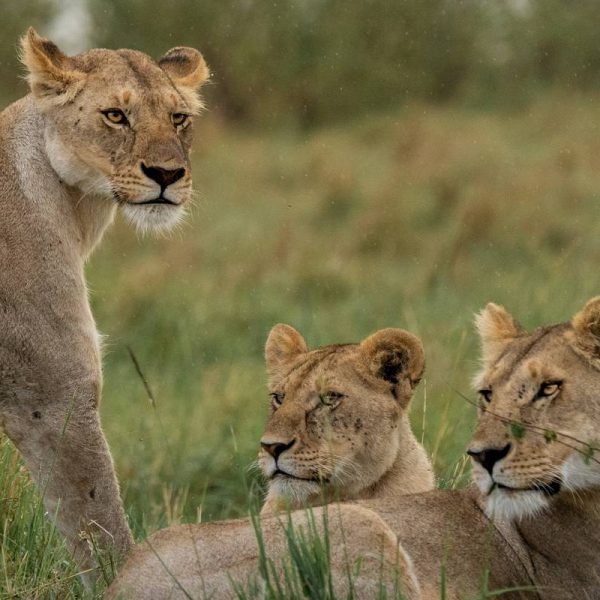
Predators also inhabit the park, although they are naturally more elusive.
Lucky visitors may encounter:
- Lions
- Leopards
- Spotted hyenas
- Serval cats
Because visitor numbers remain relatively low, wildlife often behaves more naturally, creating rewarding opportunities for photography and observation.
A Birdwatcher’s Paradise
Ruma National Park is also one of Kenya’s outstanding birdwatching destinations.
More than 400 bird species have been recorded within the park, attracting bird enthusiasts from around the world.
One of its greatest conservation achievements is providing habitat for the globally threatened blue swallow, a rare migratory bird that arrives seasonally after traveling thousands of kilometres from southern Africa.
Other frequently observed birds include:
- African fish eagles
- Secretary birds
- Martial eagles
- Crowned cranes
- Hornbills
- Bee-eaters
- Kingfishers
- Weavers
- Herons
- Egrets
Whether you’re an experienced birder or simply enjoy nature, every game drive offers exciting opportunities to discover remarkable birdlife against the backdrop of Ruma’s beautiful landscapes.
Things to Do in Ruma National Park
While Ruma National Park may not attract the same crowds as some of Kenya’s larger parks, it offers an authentic safari experience that rewards travelers with unforgettable encounters and peaceful exploration. Every activity here allows visitors to appreciate nature at its own pace.
Enjoy Exciting Game Drives
Game drives are the highlight of any visit to Ruma National Park.
The park’s network of well-maintained tracks passes through open grasslands, acacia woodlands, seasonal rivers, and wetlands, providing excellent opportunities to observe wildlife in their natural habitat.
Morning game drives are particularly rewarding as animals are most active during the cooler hours. Early sunlight also creates perfect conditions for photography, illuminating the rolling plains with warm golden tones.
Evening game drives offer another chance to witness wildlife as temperatures begin to fall. Watching giraffes silhouetted against the setting sun or spotting lions preparing for their nightly activities creates unforgettable safari memories.
Because visitor numbers are relatively low, you’ll often enjoy long stretches of wilderness without encountering another safari vehicle, making every sighting feel personal and exclusive.
Birdwatching in One of Kenya’s Finest Birding Destinations
For bird enthusiasts, Ruma National Park is a true hidden treasure.
The park’s mix of grasslands, wetlands, riverine habitats, and scattered woodland supports an astonishing diversity of birdlife throughout the year.
One of the park’s greatest attractions is the Blue Swallow, a globally threatened migratory species that arrives from southern Africa during its breeding season. Ruma National Park is one of the few places in Kenya where birdwatchers have a realistic chance of observing this remarkable bird.
Other commonly sighted species include:
- Secretary birds
- African fish eagles
- Martial eagles
- Augur buzzards
- Grey crowned cranes
- Saddle-billed storks
- African jacanas
- Bee-eaters
- Sunbirds
- Kingfishers
- Hornbills
- Herons and egrets
Whether you’re carrying professional camera equipment or simply a pair of binoculars, Ruma offers endless opportunities to appreciate Kenya’s remarkable avian diversity.
Discover Spectacular Landscapes
One of Ruma National Park’s greatest attractions is its scenery.
Unlike the endless plains of the Masai Mara or the volcanic landscapes of Amboseli, Ruma offers gently rolling grasslands surrounded by dramatic escarpments and distant hills.
The impressive Kanyamwa Escarpment dominates the southeastern boundary of the park, creating breathtaking panoramic views across the Lambwe Valley.
During the rainy season, the landscape transforms into a lush green paradise, while the dry season reveals golden savannahs stretching toward the horizon.
Every season offers a different perspective, making Ruma a rewarding destination throughout the year.
A Photographer’s Dream
If you enjoy photography, Ruma National Park provides exceptional opportunities to capture both wildlife and landscapes.
Without the congestion found in some of Kenya’s busier parks, photographers have greater freedom to position vehicles and patiently wait for the perfect shot.
Popular photographic subjects include:
- Rare roan antelope.
- Towering Rothschild’s giraffes.
- Dramatic African sunsets.
- Expansive grassland panoramas.
- Colorful birdlife.
- Seasonal wildflowers.
- Wildlife framed against the Kanyamwa Escarpment.
Whether you’re a professional photographer or simply capturing memories on your phone, Ruma offers spectacular images at every turn.
Nearby Attractions Worth Exploring
One of the advantages of visiting Ruma National Park is its proximity to several fascinating destinations that can easily be combined into a longer western Kenya itinerary.
Lake Victoria
Africa’s largest lake lies only a short drive from the park and offers opportunities for:
- Boat cruises.
- Sport fishing.
- Birdwatching.
- Sunset excursions.
- Cultural visits to lakeside fishing communities.
Rusinga Island
Rich in history and natural beauty, Rusinga Island is famous for its archaeological discoveries, peaceful beaches, birdlife, and scenic views across Lake Victoria.
Visitors can also learn about the work of renowned archaeologist Mary Leakey, whose discoveries in the region contributed significantly to the understanding of early human evolution.
Ndere Island National Park
Located near Kisumu, Ndere Island offers excellent hiking, birdwatching, and beautiful views across Lake Victoria.
The island is home to hippos, crocodiles, monitor lizards, antelope species, and numerous birds.
Kakamega Forest National Reserve
Often referred to as Kenya’s last remaining tropical rainforest, Kakamega Forest provides a striking contrast to the open grasslands of Ruma.
Visitors can enjoy guided forest walks while searching for unique monkeys, butterflies, orchids, and hundreds of bird species found nowhere else in Kenya.
Together, these attractions create an unforgettable western Kenya adventure that combines wildlife, culture, history, forests, and lakes.
Experience the Rich Culture of Western Kenya
A journey to Ruma National Park also provides opportunities to experience the vibrant traditions of western Kenya.
The surrounding communities are predominantly Luo, one of Kenya’s largest ethnic groups, known for their rich music, storytelling, hospitality, and cultural heritage.
Visitors may enjoy:
- Traditional Luo cuisine.
- Cultural dance performances.
- Local craft markets.
- Visits to rural communities.
- Historical sites connected to the region’s fascinating past.
These cultural experiences enrich every safari by offering meaningful connections with local communities while supporting sustainable tourism initiatives.
Where to Stay
Although Ruma National Park remains relatively undiscovered, visitors still have access to comfortable accommodation options nearby.
Depending on your travel preferences, you can choose from:
- Safari lodges.
- Comfortable guesthouses.
- Boutique hotels.
- Eco-friendly camps.
- Beach resorts near Lake Victoria.
For travelers wishing to explore western Kenya in greater depth, accommodations in Kisumu, Mbita, and Homa Bay also provide convenient bases for multi-day itineraries.
At Priority Wild Safaris and Tours, we carefully select accommodation partners based on comfort, hospitality, location, and overall guest experience.
The Best Time to Visit Ruma National Park
Ruma National Park can be visited throughout the year, but each season offers unique experiences.
The dry seasons, generally from January to March and June to October, are ideal for wildlife viewing. Shorter grass makes animals easier to spot, and many species gather around remaining water sources.
The green seasons transform the park into a lush landscape filled with wildflowers and abundant birdlife, making them particularly rewarding for photographers and birdwatchers.
The arrival of the Blue Swallow during its migration period is another highlight that attracts bird enthusiasts from around the world.
No matter when you visit, Priority Wild Safaris and Tours will recommend the itinerary that best matches your interests and travel dates.
Travel Tips for Visiting Ruma National Park
To make the most of your safari, consider these helpful tips:
- Travel in a comfortable 4×4 safari vehicle for the best access throughout the park.
- Carry binoculars to enhance wildlife and birdwatching experiences.
- Bring a camera with extra batteries and memory cards.
- Wear lightweight, neutral-colored clothing.
- Pack sunscreen, sunglasses, and a hat.
- Carry drinking water throughout your game drives.
- Start morning safaris early for the best wildlife activity.
- Always follow your guide’s instructions when observing wildlife.
With proper planning, your visit to Ruma National Park will be both safe and unforgettable.
Why Explore Ruma National Park with Priority Wild Safaris and Tours?
At Priority Wild Safaris and Tours, we believe the most memorable journeys often take travelers beyond the ordinary.
Our carefully designed western Kenya safaris combine Ruma National Park with nearby attractions such as Lake Victoria, Rusinga Island, Ndere Island, and Kakamega Forest, creating diverse itineraries that showcase a side of Kenya many visitors never experience.
When you travel with us, you’ll enjoy:
- Personalized safari itineraries.
- Professional and experienced local guides.
- Comfortable 4×4 safari vehicles.
- Carefully selected accommodations.
- Flexible travel schedules.
- Competitive pricing.
- Responsible tourism practices.
- Warm Kenyan hospitality from beginning to end.
Whether you’re a wildlife enthusiast, photographer, birdwatcher, family, or first-time visitor to Kenya, we’ll help you experience Ruma National Park at its very best.
Discover One of Kenya’s Best-Kept Safari Secrets
Ruma National Park proves that some of Kenya’s greatest treasures are found away from the well-trodden safari circuit.
Its peaceful landscapes, rare wildlife, exceptional birdlife, and authentic atmosphere offer travelers an opportunity to reconnect with nature in one of the country’s most beautiful protected areas.
From watching the endangered roan antelope grazing across the Lambwe Valley to photographing spectacular birds against the backdrop of the Kanyamwa Escarpment, every moment spent in Ruma reveals another reason why this remarkable park deserves far greater recognition.
If you’re looking for a safari experience that combines exclusivity, biodiversity, breathtaking scenery, and meaningful cultural encounters, Ruma National Park should be at the top of your travel list.
Priority Wild Safaris and Tours invites you to discover this hidden gem of western Kenya through expertly planned safaris that celebrate the country’s extraordinary natural heritage.
Contact us today and let us help you explore one of Kenya’s most rewarding and least-discovered national parks—where every game drive offers a new adventure and every visit leaves lasting memories.